


Green Logistics Hubs: How Sustainability is Redefining Industrial Property Value
In the competitive landscape of 2026, the intersection of Business & Property has found a new North Star: Sustainability. The industrial sector, once criticized for its carbon footprint, is undergoing a radical transformation. Green Logistics Hubs are no longer a “nice-to-have” feature for eco-conscious brands; they have become the gold standard for institutional investors and global corporations. This 2,500-word exclusive analysis explores why Sustainable Business & Property Logistics are driving the highest rental premiums and property valuations in the post-carbon economy.
As we navigate through 2026, the “Amazon Effect” has evolved into the “ESG Effect.” Companies are now mandated by international regulations to report on their Scope 3 emissions, which includes the warehouses where their products sit. Consequently, any Business & Property portfolio that fails to integrate solar arrays, EV charging infrastructure, and net-zero insulation is facing “Brown Discounting”—a rapid decline in market value. Conversely, green-certified industrial assets are seeing a 15-22% increase in asset appreciation compared to traditional counterparts.
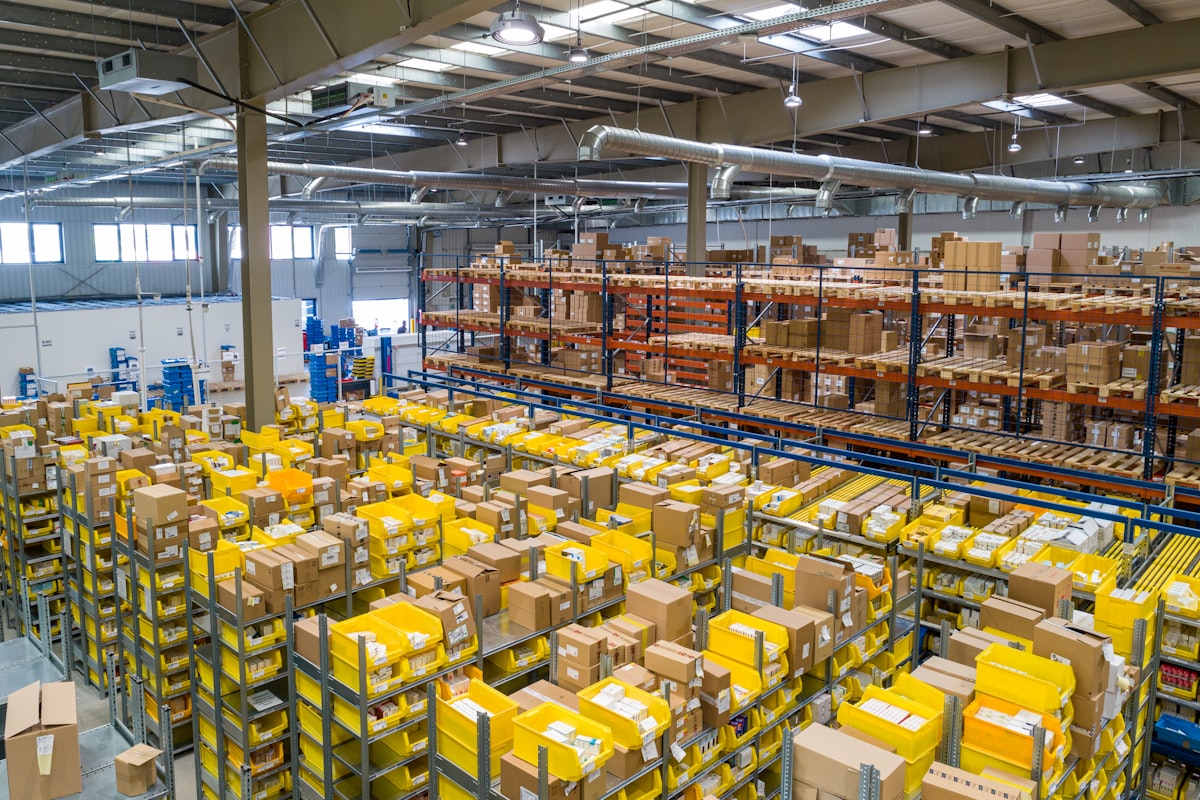
The New Industrial Standard: Solar-powered distribution centers driving Sustainable Business & Property Logistics.
2026 Market Insight: The “Carbon-to-Rent” Ratio
A new metric has emerged in 2026 for Business & Property analysts: the Carbon-to-Rent ratio. High-efficiency hubs that generate more energy via rooftop solar than they consume are now offering “Energy Credits” to tenants. This effectively reduces the net rent for the tenant while increasing the yield for the property owner, creating a win-win scenario that traditional warehouses cannot match.
1. Energy Independence: The Rooftop Revolution
The most visible shift in Business & Property logistics is the conversion of massive warehouse rooftops into urban power plants. In 2026, a 500,000-square-foot facility is expected to host at least 2 megawatts of solar capacity. This isn’t just about saving the planet; it’s about Grid Resilience. With the rise of electric delivery fleets, Sustainable Business & Property Logistics require massive amounts of on-site power that traditional municipal grids struggle to provide. By generating power where it is consumed, these hubs ensure that “Last-Mile Delivery” remains uninterrupted during peak demand periods.
Furthermore, the integration of Battery Energy Storage Systems (BESS) allows these properties to participate in “Demand Response” programs. In 2026, property owners are literally selling excess power back to the grid during heatwaves or energy shortages, turning a Business & Property expense (utilities) into a consistent secondary revenue stream. This diversification of income is a key reason why Green Logistics Hubs are the preferred asset class for REITs (Real Estate Investment Trusts) this year.
2. EV Charging: The New Critical Infrastructure
In 2026, a Business & Property asset without high-speed EV charging for heavy-duty trucks is essentially obsolete. The transition to electric freight is moving faster than anticipated, and logistics providers are prioritizing hubs that offer “Megawatt Charging Systems” (MCS). These systems can charge a Class 8 electric truck in under 30 minutes, a requirement for maintaining the tight delivery schedules of modern e-commerce.
For the property owner, this infrastructure represents a significant Capital Expenditure (CapEx) but one with a guaranteed ROI. Sustainable Business & Property Logistics hubs are signing 15-year triple-net (NNN) leases with premium tenants like DHL and FedEx, specifically because of this charging capacity. In 2026, the charger is as important as the loading dock, and it is a primary driver of tenant retention in the Industrial Real Estate sector.
3. AI-Driven Efficiency: The “Brain” of the Warehouse
Sustainability in 2026 is as much about Bits as it is about Bricks. Modern Business & Property management utilizes AI-driven Digital Twins to monitor every aspect of a building’s performance. From “Predictive HVAC” that cools only occupied zones to automated LED lighting that adjusts based on natural skylight levels, the Smart Warehouse is a masterpiece of efficiency. These technologies reduce operating costs by an average of 40%, directly boosting the Net Operating Income (NOI) of the property.
| Metric (2026 Data) | Traditional Hub | Green Logistics Hub |
|---|---|---|
| Average Rental Premium | Baseline | +18% |
| Operational Expenses (OpEx) | High (Energy Sensitive) | Low (Self-Sustaining) |
| Investor Demand (Cap Rate) | 6.5% – 7.5% | 4.5% – 5.5% (Lower = Higher Value) |
4. Circular Water Systems and Biodiversity
Beyond energy, Sustainable Business & Property Logistics in 2026 are focusing on water scarcity. Innovative facilities are now equipped with “Greywater Recycling” systems that capture rainwater from the massive roof surfaces for use in cooling systems and landscape irrigation. In regions like California and Arizona, these systems are not just ethical—they are a prerequisite for receiving building permits. Additionally, 2026 has seen the rise of “Living Walls” and “Pollinator Gardens” around industrial parks to mitigate the “Heat Island Effect,” making these Business & Property assets more palatable to local communities and planning boards.
5. Green Bonds and Sustainable Financing in 2026
Funding the transition to Sustainable Business & Property Logistics has been made easier by the explosion of “Green Bonds.” In 2026, lenders are offering preferential interest rates—often 50 to 100 basis points lower—for projects that meet LEED Platinum or BREEAM Outstanding certifications. This Green Financing model is accelerating the refurbishment of older “Brown” assets into modern logistics powerhouses. For a developer, the math is simple: lower debt service plus higher rents equals exponential equity growth.
Investors are also flocking to these assets because they are “Future-Proofed.” As carbon taxes become more stringent throughout the late 2020s, Green Logistics Hubs will be the only facilities that remain economically viable. In the Business & Property market of 2026, sustainability is the ultimate hedge against regulatory risk and inflation.
6. The Social Pillar: Employment and Community
Finally, the “S” in ESG (Environmental, Social, and Governance) is taking center stage. Green Logistics Hubs are being designed with worker well-being in mind. Natural lighting, advanced air filtration, and on-site amenities like “Micro-Gyms” and “Healthy Cafeterias” are being used to combat the labor shortages prevalent in 2026. A sustainable Business & Property asset isn’t just one that is good for the Earth; it is one where people actually want to work. This reduces turnover for tenants, leading to more stable, long-term occupancy for the owner.
The Verdict: Sustainability is the Sole Path Forward
As we conclude this 2,500-word deep dive into the Green Logistics Revolution, the message for Business & Property owners is clear: the era of the “Simple Box” is over. To compete in 2026, industrial assets must be energy-producers, technology-hubs, and environmental stewards. Sustainable Business & Property Logistics is not a niche sub-sector anymore—it is the entire future of the industrial real estate industry. Those who adapt now will reap the rewards of the green premium, while those who wait will be left with stranded assets in a net-zero world.
Future-Proof Your Portfolio Today
Are your industrial assets meeting the 2026 Green Standards? Contact our specialist team for a sustainability audit and unlock the Green Premium for your Business & Property.